
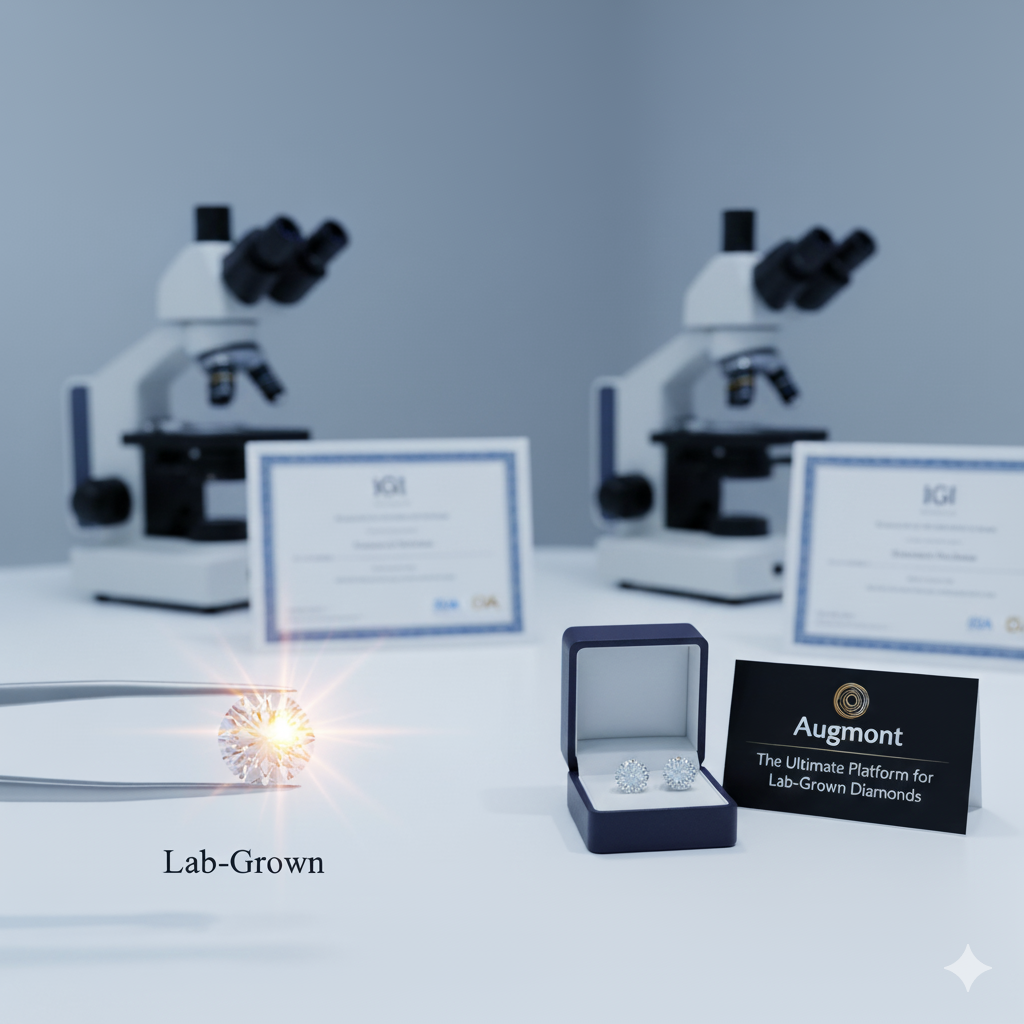
In today’s world, the quest for a dazzling diamond often leads to the realm of man-made diamonds—also known as lab-grown or synthetic diamonds. Praised for their ethical sourcing, sustainability, and affordability, these gems are reshaping the jewelry landscape.
Man-Made Diamonds – An Overview
Man-made diamonds are real diamonds created in labs, sharing the same chemical and physical properties as natural ones. They are also known as lab-grown diamonds, as they are identical in structure but differ in origin. Unlike simulants like cubic zirconia, they share the same carbon structure and can only be distinguished by specialized lab equipment.
How Are They Made?
Two key technologies dominate their creation:
- HPHT (High Pressure High Temperature): Simulates the intense pressure and heat of Earth’s mantle. A carbon-coated diamond seed within a press crystallizes into a diamond.
- CVD (Chemical Vapor Deposition): A carbon-rich gas (e.g., methane) is decomposed in a vacuum chamber, depositing carbon atoms onto a diamond seed layer in a layer-by-layer manner.
Thanks to these methods, lab-grown diamonds can go from seed to gem in just a few weeks rather than the billions of years nature requires.
Advantages of Man-Made Diamonds
- Ethical & Sustainable: Avoid conflict zones and damaging mining practices, making them a morally appealing choice.
- Cost-Effective: They can be up to 80% less expensive than mined diamonds.
- High Quality & Consistency: Controlled conditions often result in clearer stones with fewer imperfections.
How to Tell the Difference Between Lab-Created Diamonds and Natural Diamonds
At first glance, lab-created diamonds and natural diamonds look identical even to trained eyes. In fact, without specialized equipment, it’s almost impossible to tell them apart. Both have the same chemical composition, crystal structure, and sparkle. The most reliable way to know whether a diamond is natural or lab-grown is to check its grading report from a trusted gemological laboratory. These reports clearly state the diamond’s origin.
What Gemologists Look For
When a professional gemologist is tasked with identifying a diamond’s origin, they often use high magnification to examine the stone’s internal characteristics. Here’s what they focus on:
Inclusions: Natural diamonds often contain small, organic imperfections formed deep within the Earth over billions of years. Lab-created diamonds may have inclusions that look slightly different, such as metallic flux in HPHT diamonds or distinctive growth patterns in CVD diamonds.
Light Reflection: In certain cases, lab-grown and natural diamonds may reflect light differently due to subtle variations in crystal growth. While invisible to the naked eye, these nuances can be detected with advanced instruments.
Final Thoughts
If you’re seeking a diamond that embodies ethical sourcing, scientific innovation, and excellent value, a man-made diamond might be your best bet. It offers the same brilliance, durability, and sparkle as a mined diamond without the decades of geological transformation.