

Lab-grown diamonds are steadily reshaping the jewelry market, offering consumers a more accessible and sustainable alternative to mined stones. As awareness and demand increase, retailers face a key challenge: how to price these diamonds in a way that reflects their value while staying competitive. This blog explores how retail stores can approach pricing strategies for lab-grown diamonds effectively.
This blog outlines practical pricing approaches that balance profitability with customer perception. It looks at how retailers can position lab-grown diamonds, respond to market dynamics, and create pricing models that drive both sales and trust.
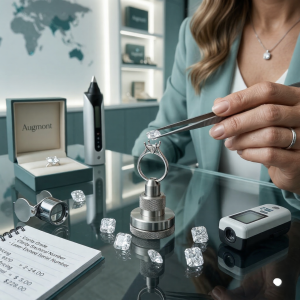
Key Factors to Consider: Pricing Strategies for Lab-Grown Diamonds
Understanding Market Positioning: One of the first considerations in pricing lab-grown diamonds is how they are positioned in comparison to natural diamonds. While lab-grown diamonds are typically priced lower, retailers should avoid presenting them as “cheap alternatives.” Instead, they should be framed as smart, modern choices that offer the same brilliance and quality at a more accessible price point. Clear communication of value is essential to avoid undermining the product.
Competitive Pricing and Transparency: Lab-grown diamonds exist in a highly transparent market where customers can easily compare prices online. Retailers need to stay competitive by regularly benchmarking against other sellers, both online and offline. Transparent pricing builds trust, especially when customers understand factors like cut, clarity, color, and carat weight. Providing detailed product information alongside pricing helps justify the cost and enhances credibility.
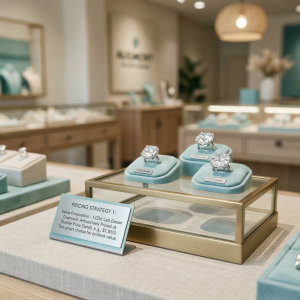
Tiered Pricing Strategy: Offering a tiered pricing structure allows retailers to cater to different customer segments. Entry-level options can attract first-time buyers, while premium lab-grown diamonds can appeal to customers seeking higher specifications. This approach not only broadens the customer base but also creates opportunities for upselling. By clearly differentiating between tiers, retailers can guide customers toward choices that match their budgets and preferences.
Bundling and Value-Added Pricing: Retailers can enhance perceived value by bundling lab-grown diamonds with complementary offerings such as customized settings, certifications, or after-sales services. Instead of competing solely on price, this strategy focuses on delivering a complete experience. Customers are often willing to pay slightly more when they perceive added benefits and convenience.
Dynamic Pricing and Promotions: Seasonal trends, festive demand, and inventory levels can influence pricing decisions. Retailers can use dynamic pricing strategies, including limited-time offers or festive discounts, to drive urgency and boost sales. However, consistency is key; frequent deep discounts may affect perceived value, so promotions should be used strategically rather than routinely.
Educating the Customer: Pricing strategies are most effective when supported by customer education. Many buyers are still unfamiliar with lab-grown diamonds, so explaining their quality, certification, and value proposition can justify pricing. Well-informed customers are more confident in their purchase decisions and less likely to focus solely on price comparisons.
Final Thoughts
Pricing lab-grown diamonds in retail stores requires a balance between competitiveness and value perception. By focusing on clear positioning, transparency, and customer education, retailers can build trust while maintaining healthy margins. Ultimately, the goal is not just to sell a product but to offer a compelling and modern alternative that resonates with today’s informed consumer.