
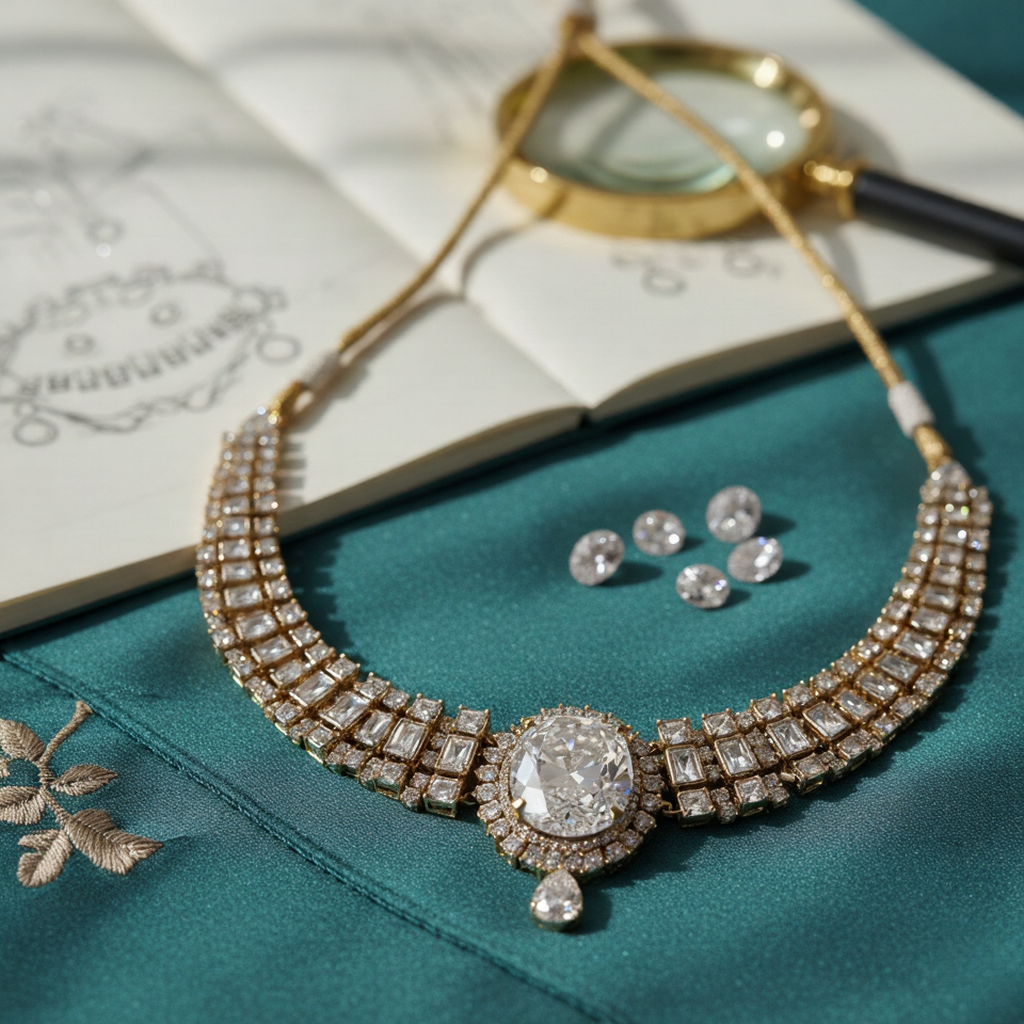
The rise of lab-grown diamonds is transforming the Indian jewelry landscape in impressive ways. As consumers seek ethical, affordable, and visually stunning alternatives, these diamonds are becoming central to the new design philosophy in India. Their identical brilliance to mined diamonds, combined with modern manufacturing advances, has made them a preferred choice for both jewelry designers and retailers seeking innovation.
Lab-Grown Diamonds – The Growing Industry
The Indian jewellery industry is changing quickly, driven by shifting consumer values, design trends, and sustainability demands. Lab-grown diamonds have moved from a niche product to a vital part of mainstream collections. Designers now enjoy greater creative freedom, retailers benefit from stable inventory and pricing, and consumers can access luxury without compromise. This shift is not only functional but also transformative, influencing everything from bridal to everyday fine jewelry.
Key Factors Redefining Indian Jewellery Design
- Design flexibility: Lab-created diamonds allow designers to experiment with cuts, sizes, and shapes that were previously difficult to procure consistently. This flexibility encourages unique collections that blend traditional craftsmanship with modern forms.
- Consistent supply and quality: Lab-manufactured diamonds provide uniformity in color, clarity, and availability. Manufacturers and retailers benefit from predictable production planning, faster delivery cycles, and assured quality standards, enabling smoother business operations.
- Affordability with luxury appeal: Consumers can now access larger stones and more elaborate designs at a lower price point. This affordability widens the customer base and increases the appeal of high-end jewelry, supporting stronger retail margins and improved customer satisfaction.
- Sustainability as a value driver: Lab-cultured diamonds are produced with significantly lower environmental impact, which aligns with the purchasing preferences of younger, environmentally conscious buyers. Sustainability is no longer a trend—it is a core expectation, and these diamonds directly support that shift.
- Enhanced reinterpretation of Indian aesthetics: Traditional Indian designs such as jadau, Polki-inspired motifs, or temple jewellery gain newfound precision and elegance when crafted with lab-grown diamonds. At the same time, minimalist and contemporary pieces benefit from the clarity and brilliance that these stones consistently deliver.
- Retailer differentiation and branding: Offering lab-cultivated diamonds helps retailers position themselves as forward-thinking, ethical, and customer-focused. The association with innovation and transparency strengthens brand loyalty and attracts a younger market segment seeking modern luxury.
Final Thoughts
Lab-grown diamonds are not simply an alternative; they are a catalyst for change in the Indian jewelry industry. From empowering designers with limitless creative possibilities to offering retailers a stable, high-margin product line, these diamonds are redefining what jewelry can look and feel like. As demand grows for ethical, sustainable, and beautifully crafted pieces, lab-cultured diamonds will play an increasingly central role in shaping the future of Indian jewelry design. For manufacturers, retailers, and consumers alike, the shift toward lab-created diamonds marks the beginning of a more innovative, accessible, and sustainable era in fine jewelry.