

Introduction
The diamond industry has always depended on a strong relationship between manufacturers and retailers. Manufacturers bring production expertise, while retailers understand customers, market trends, and purchasing behavior. As lab-grown diamonds become a growing part of the jewelry market, this relationship can evolve beyond traditional buying and selling. Greater collaboration can help both sides respond to changing consumer expectations, develop relevant collections, and create better opportunities in a competitive market.
What This Blog Is About
This blog explores how lab-grown diamonds can help diamond manufacturers and retailers build stronger, more collaborative relationships. From product development and inventory planning to customer insights and market expansion, lab-grown diamonds can create new areas of cooperation between both sides. Let’s have a look.
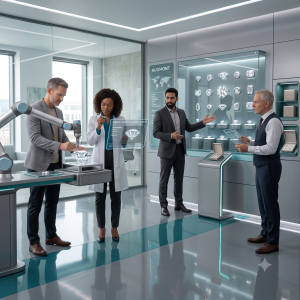
- Understanding Consumer Demand Together: Retailers are closer to the end customer and can identify what shoppers are looking for. They can understand preferences around diamond sizes, shapes, designs, and price points. Manufacturers can use these insights to refine production and supply diamonds that match actual market demand. This creates a two-way flow of information. Retailers get products that are relevant to their customers, while manufacturers receive valuable market feedback that can guide future production.
- Developing More Relevant Jewelry Collections: Lab-grown diamonds can give manufacturers and retailers greater scope to collaborate on jewelry collections. Instead of retailers simply selecting products from available inventory, they can work with manufacturers on specific requirements based on upcoming trends. For instance, a retailer planning a contemporary collection could collaborate with a manufacturer on particular diamond shapes, sizes and qualities. Such collaboration can help both businesses create collections that stand apart in the market.
- Improving Inventory Planning: Inventory management is an important concern for jewelry retailers. Holding too much inventory can affect working capital, while insufficient stock can mean missed sales opportunities. Closer communication with manufacturers can help retailers share demand trends and plan purchases more effectively. Manufacturers can also better understand which products are moving quickly and adjust their production accordingly.
- Creating Opportunities Across Price Points: Lab-grown diamonds can also allow retailers to explore different price segments. Customers who want larger stones or contemporary diamond jewelry may have different budgets and expectations. Manufacturers and retailers can work together to identify suitable diamond specifications for different customer segments. This can help retailers expand their product range while giving manufacturers access to a wider market.
- Strengthening Product Knowledge: Consumer awareness plays an important role in the growth of lab-grown diamonds. Retailers need accurate information about diamond characteristics, grading, and quality to confidently explain these products to customers. Manufacturers can support retailers by providing detailed product information and helping their sales teams understand the diamonds they offer. Better knowledge can improve customer conversations and strengthen trust.

Final Thoughts
Lab-grown diamonds can create more opportunities for manufacturers and retailers to work as partners rather than simply operating within a supply chain. Manufacturers bring production capabilities and technical expertise, while retailers bring direct knowledge of consumer preferences. Sharing insights, collaborating on collections, improving inventory planning, and strengthening product knowledge can build a more responsive and sustainable business relationship. As the lab-grown diamond market evolves, collaboration may be the best way for manufacturers and retailers to grow.