
Introduction
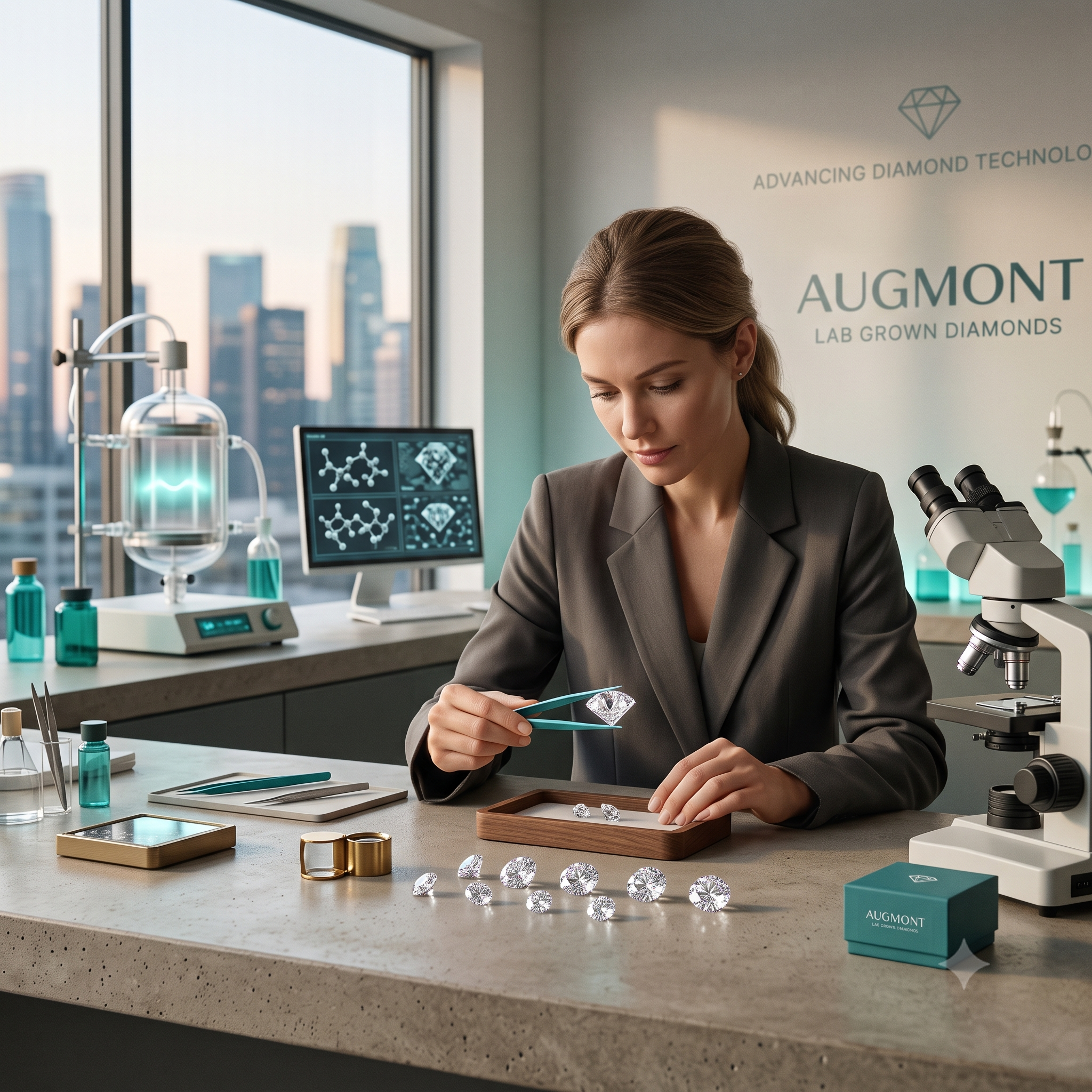
The lab-grown diamond industry has evolved from being a niche alternative to becoming an important part of the global diamond market. Advances in production technology, growing consumer acceptance, competitive pricing, and increasing manufacturing capacity are shaping its next phase of growth. India, with its established diamond cutting and polishing ecosystem, is particularly well positioned to benefit from this shift.
As the industry matures, the focus is likely to move beyond affordability towards technology, quality, innovation, traceability, and new applications.

What Will Shape the Industry’s Next Phase?
- Greater Consumer Adoption: Affordability has been one of the biggest factors driving interest in lab-grown diamonds. Consumers can access larger stones and a wider range of designs at comparatively lower prices, making diamonds accessible to a broader audience. As awareness grows, purchasing decisions are also becoming more focused on design, quality, personal preference, and value rather than relying solely on traditional perceptions of rarity.
- Technology Will Drive Innovation: Production technologies such as Chemical Vapor Deposition (CVD) and High-Pressure High-Temperature (HPHT) continue to evolve. Better technology can improve consistency, quality, production efficiency, and the ability to create diamonds for specialized applications. The industry could also benefit from research into applications beyond jewelry, including advanced materials, photonics, sensing, and quantum technologies.
- India’s Manufacturing Advantage: India already has deep expertise in diamond cutting and polishing. This existing ecosystem provides a strong foundation for expanding lab-grown diamond manufacturing and exports. The next opportunity could be to move further up the value chain by developing capabilities in technology, research, certification, product development, and specialized manufacturing.
- New Applications Beyond Jewelry: While jewelry remains the primary market, lab-grown diamonds have properties that make them relevant to several industrial and technological applications. Their potential use in areas such as high-performance electronics, sensors, optics, and advanced materials could open new markets and reduce the industry’s dependence on jewelry demand.
- Price Pressure Will Remain: Increasing production has also contributed to significant price competition. While lower prices can encourage consumer adoption, they can put pressure on manufacturers and retailers by reducing margins. This makes operational efficiency, product differentiation, quality control, and strong customer positioning increasingly important.
- Traceability and Consumer Trust: As the market expands, consumers are likely to demand greater transparency around a diamond’s origin, production process, quality, and certification. Traceability can therefore become an important differentiator for manufacturers and brands. Businesses that can combine consistent quality with transparent sourcing and production practices may be better positioned to build long-term consumer trust.
Final Thoughts
The next phase of the lab-grown diamond industry is likely to be defined by scale, innovation, technology, and differentiation. The question is no longer simply whether lab-grown diamonds can find a place in the market but how far the industry can expand beyond its current applications. As the industry matures, businesses that invest in quality, innovation, efficiency, and consumer trust could play an important role in shaping the future of lab-grown diamonds.