
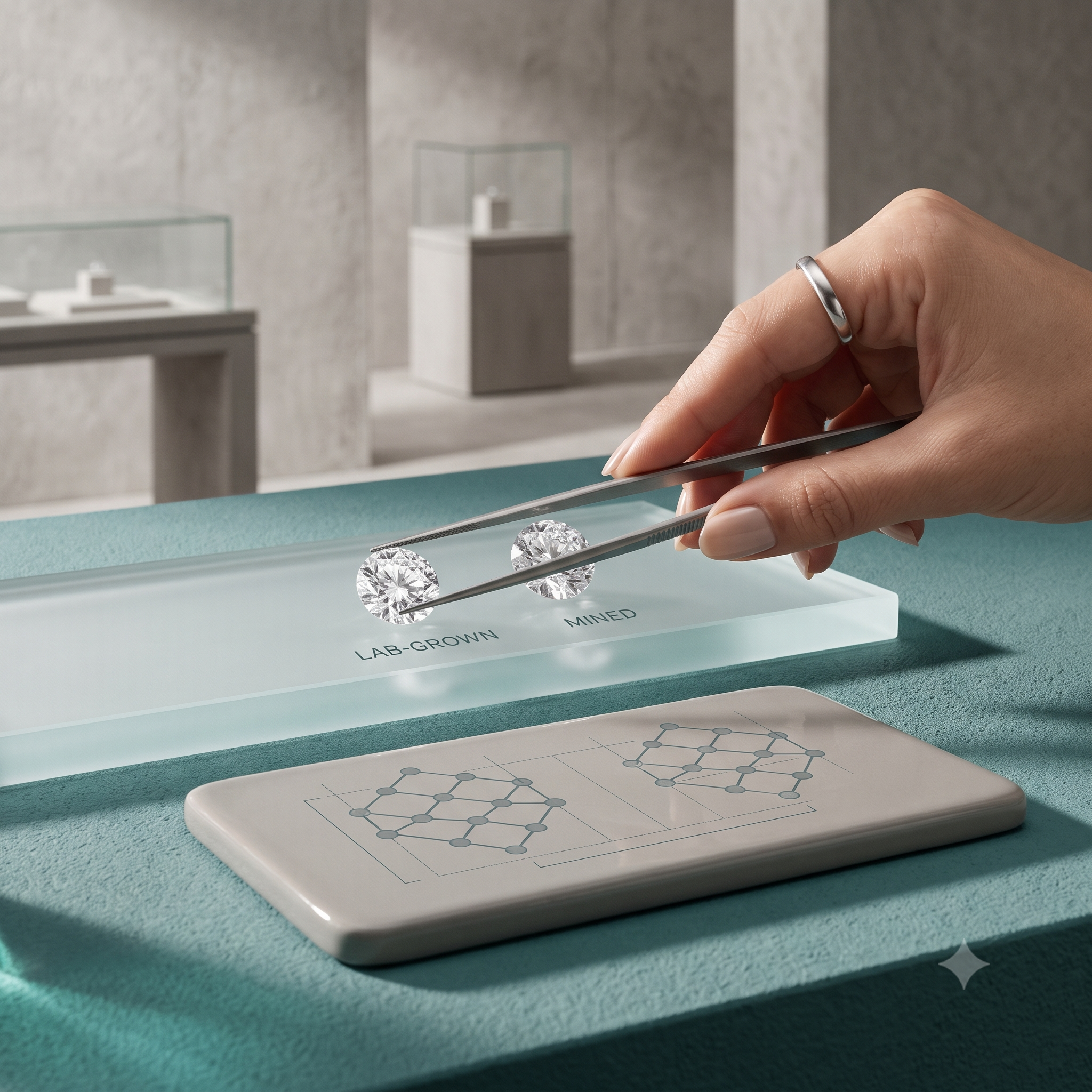
Will lab-grown diamonds replace natural diamonds in future? The growing popularity of lab-grown diamonds has led to a common misconception that they are replacing natural diamonds. While both categories are competing for consumer attention, market trends suggest that lab-grown diamonds are creating new demand.
By attracting first-time buyers, introducing new purchasing occasions, and making diamond jewelry more accessible, lab-grown diamonds are expanding the overall diamond market rather than shrinking the natural diamond segment.
Why Lab-Grown Diamonds Are Creating New Demand
The growth of lab-grown diamonds is being driven by several factors that are bringing new consumers into the category and encouraging more frequent purchases.
- They Make Diamond Jewelry Accessible to More Consumers: For many years, diamonds were considered aspirational purchases reserved for major life events. The higher price of natural diamonds often discouraged consumers from entering the category. Lab-grown diamonds have changed this dynamic by offering a more accessible entry point. Consumers who once viewed diamond jewelry as out of reach can now participate in the category, increasing the overall customer base.
- They Appeal to a New Generation of Buyers: Millennials and Gen Z consumers are approaching luxury purchases differently from previous generations. They often prioritize design, value, and personal expression over tradition alone. Lab-grown diamonds align with these preferences by offering attractive jewelry options at accessible price points. As a result, younger consumers who may not have purchased diamond jewelry before are now becoming active buyers.
- They Are Creating New Purchase Occasions: Traditionally, diamonds were purchased for engagements, weddings, and anniversaries. Lab-grown diamonds are helping expand these occasions. Consumers are increasingly buying diamond jewelry for birthdays, promotions, graduations, and other personal milestones. By creating new reasons to buy, the category is generating demand that previously did not exist.
- They Support the Rise of Self-Purchasing: A growing number of consumers are purchasing jewelry for themselves rather than receiving it as a gift. This trend has become particularly strong among working professionals who view jewelry as a reward for personal achievements. Lab-grown diamonds make self-purchasing more attainable, encouraging consumers to buy diamond jewelry more frequently than they otherwise might.
- They Help Retailers Reach Untapped Customer Segments: Retailers are discovering that lab-grown diamonds allow them to engage customers across a wider range of budgets. Shoppers who may not be ready to purchase a natural diamond often find a suitable alternative within the lab-grown category. This helps retailers convert more visitors into buyers while expanding their reach to previously underserved segments.
Final Thoughts
The conversation around lab-grown diamonds should move beyond the idea of replacement. Their rise is not necessarily reducing demand for natural diamonds; instead, it is expanding the market by attracting new consumers and creating fresh opportunities for purchase. As consumer preferences continue to evolve, both natural and lab-grown diamonds are likely to play important roles in the future of the jewelry industry. The real story is not about one category replacing another; it is about how the diamond market is growing through greater choice and accessibility.