
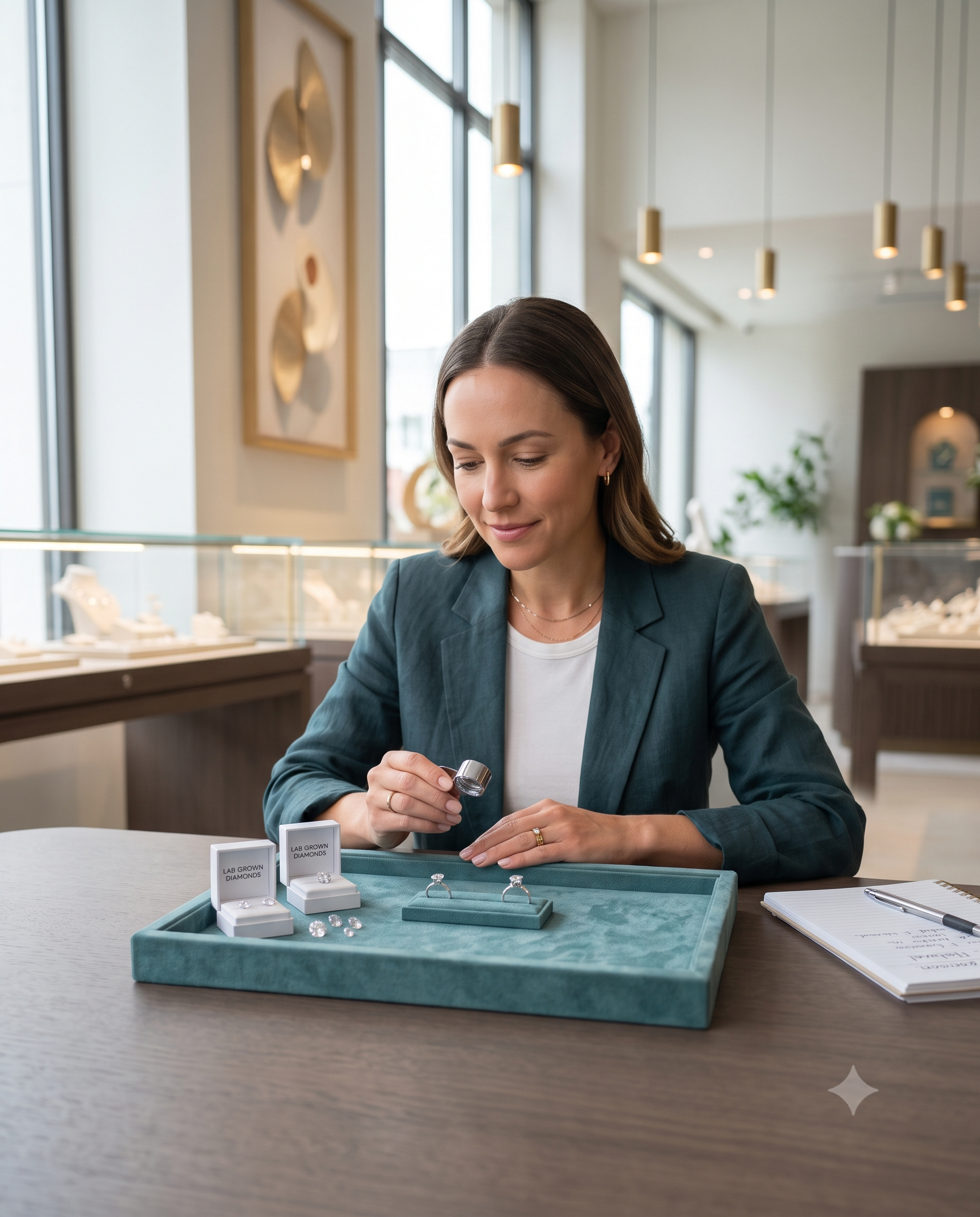
The jewelry industry is evolving as consumer preferences continue to shift. Today’s buyers are more informed, more value-conscious, and increasingly open to exploring alternatives that align with their needs and budgets. As a result, lab-grown diamonds have emerged as a rapidly growing category within the global jewelry market. For jewelry retailers, this raises an important question: Should lab-grown diamonds be added to an existing product portfolio? The answer depends on business goals, customer demand, and long-term growth strategies.
This blog explores why many jewelry retailers are expanding their offerings to include lab-grown diamonds and how doing so can create new opportunities for growth, customer acquisition, and market differentiation.
Why Jewelry Retailers Are Adding Lab-Grown Diamonds
- Expanding Customer Choice
Modern consumers appreciate having options. By offering both natural and lab-grown diamonds, retailers can cater to a broader audience with varying preferences and budgets. A wider product selection allows customers to compare options and make purchasing decisions based on what matters most to them, whether that is size, design, or value.
- Meeting Evolving Consumer Demand
Awareness of lab-grown diamonds has grown significantly in recent years. Many consumers actively research different diamond categories before making a purchase. Retailers that offer lab-grown diamonds are better positioned to meet this growing demand and participate in an expanding market segment rather than directing customers elsewhere.
- Creating New Revenue Opportunities
Adding a new product category can help retailers attract additional customers and generate incremental sales. Lab-grown diamonds can appeal to first-time buyers, younger consumers, and customers seeking larger stones within a specific budget, creating opportunities that may not exist with a single-product offering.
- Strengthening Competitive Positioning
The jewelry market is becoming increasingly competitive. Retailers that adapt to changing consumer preferences often gain an advantage over those that rely solely on traditional offerings. Including lab-grown diamonds demonstrates an understanding of market trends and positions a retailer as a business that evolves with customer needs.
- Supporting Portfolio Diversification
Just as investors diversify their portfolios, retailers can benefit from diversifying their product mix. Offering multiple diamond categories allows businesses to serve different customer segments while reducing dependence on a single source of demand. This flexibility can support long-term business resilience and growth.
Key Considerations Before Adding Lab-Grown Diamonds
Before expanding into the category, retailers should focus on:
- Partnering with trusted suppliers that provide certified diamonds
- Ensuring transparent pricing and product information
- Educating sales teams about product features and customer queries
- Understanding local market demand and customer preferences
- Creating a clear merchandising strategy for both natural and lab-grown diamonds
These steps can help ensure a smooth integration into an existing product portfolio.
Final Thoughts
For jewelry retailers looking to strengthen their competitive position and adapt to evolving consumer preferences, adding lab-grown diamonds to their product portfolio can be a strategic move. By offering greater flexibility and choice, businesses can better serve today’s customers while preparing for the future of the jewelry industry.