
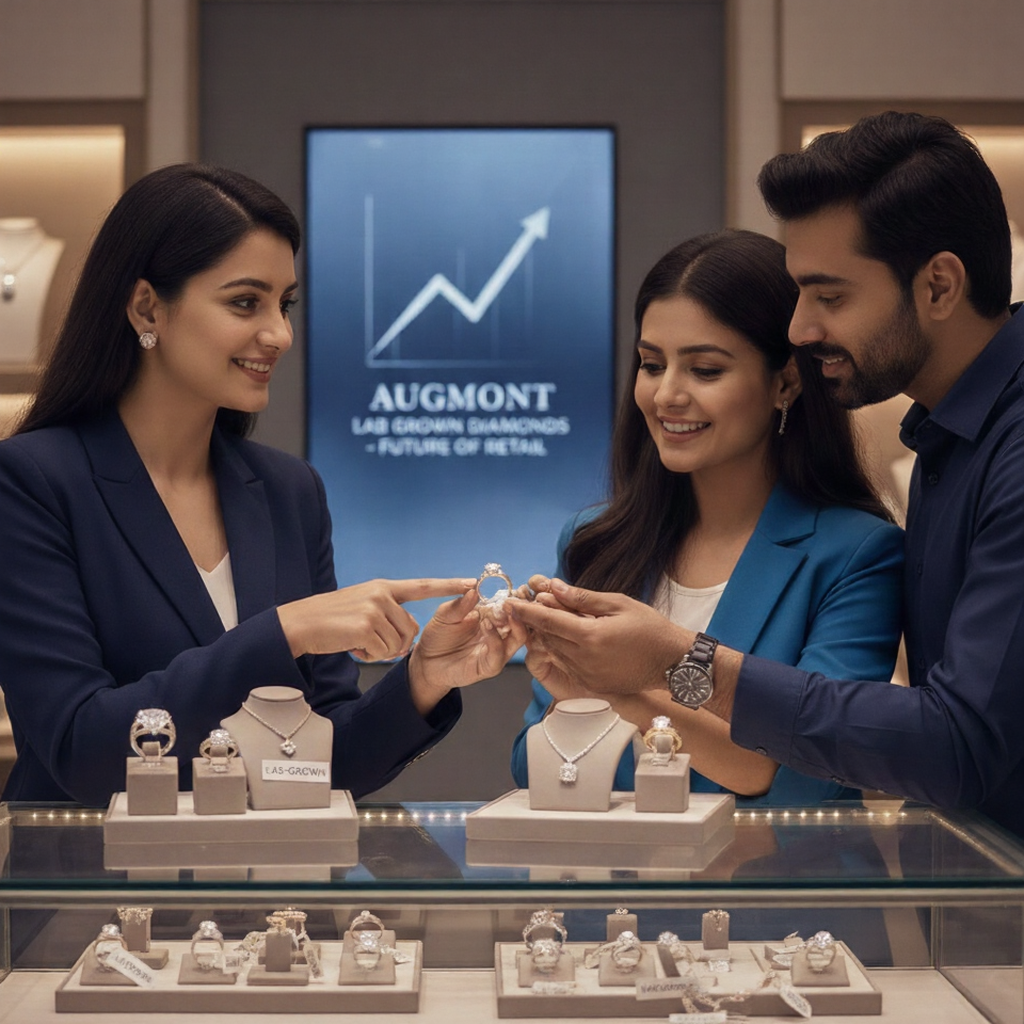
The jewelry industry is evolving as consumer preferences shift towards transparency, value, and sustainability. In this changing landscape, the lab-grown diamond has emerged as a strong category that retailers can no longer overlook. While demand is rising, successfully introducing the lab-grown diamond into a retail environment requires the right mix of strategy, communication, and customer education. Retailers who approach this transition thoughtfully can create new growth opportunities while strengthening customer trust.
Building Awareness and Consumer Confidence
Introducing the lab-grown diamond begins with addressing awareness and perception. Many consumers are still learning about how these diamonds are created, how they compare with natural diamonds, and what value they offer. Retailers must focus on education-driven selling to build credibility and comfort.
Key steps retailers can take include:
- Training sales teams to explain the concept, quality, and value of the lab-grown diamond clearly
- Highlighting transparency in pricing, sourcing, and certification
- Creating in-store and digital content that answers common customer questions
- Positioning the lab-grown diamond as a modern, responsible choice rather than a replacement
- Showcasing side-by-side comparisons to help customers make informed decisions
By prioritizing awareness and trust, retailers can reduce hesitation and encourage confident purchasing decisions.
Product Positioning and Retail Strategy
Successfully integrating the lab-grown diamond into a jewelry business requires thoughtful positioning and a clear retail strategy. It is not only about adding a new category but also about aligning it with customer expectations and brand identity.
Retailers can strengthen their approach by focusing on:
- Launching dedicated collections centred around the lab-grown diamond
- Offering contemporary designs that appeal to younger buyers
- Maintaining a clear distinction between natural and lab-grown segments
- Using competitive pricing to attract new customers without diluting brand value
- Leveraging digital platforms to highlight design innovation and sustainability narratives
- Introducing customisation options to enhance customer engagement
Strategic merchandising and storytelling can help the lab-grown diamond feel like a natural extension of the brand rather than a sudden addition. Retailers should also view the lab-grown diamond as an opportunity to reach new audiences. Buyers seeking affordable luxury, ethical sourcing, or unique design options often respond positively to this category. By aligning product presentation with these motivations, retailers can expand their customer base while increasing footfall and engagement.
Final Thoughts
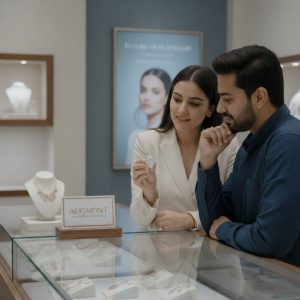
The introduction of the lab-grown diamond marks an important shift in the jewelry retail landscape. It reflects changing consumer values, evolving technology, and a growing demand for transparency and affordability. For retailers, success lies not just in stocking the product but in creating the right narrative around it. By educating customers, positioning products strategically, and aligning offerings with modern expectations, jewelry businesses can build trust and relevance. The lab-grown diamond presents an opportunity to innovate, attract new audiences, and strengthen brand perception. Retailers who adopt a structured and thoughtful approach will be better prepared to navigate this transition and build sustainable growth in a competitive market.