
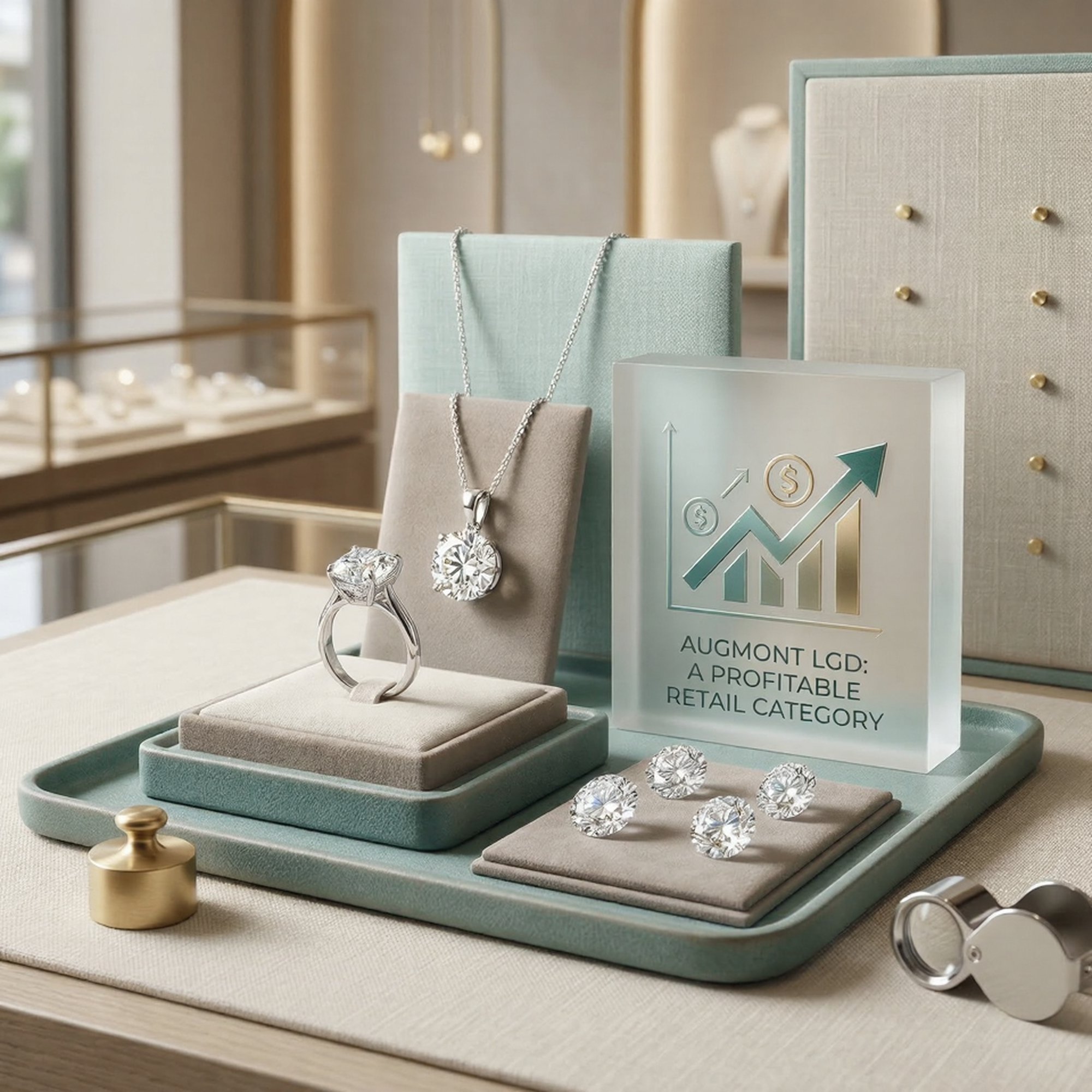
The jewelry industry is constantly evolving as consumer preferences, technology, and market dynamics change over time. In recent years, lab-grown diamonds have emerged as one of the fastest-growing segments in the global jewelry market. Once viewed as a niche product, they are now gaining widespread acceptance among modern buyers who are looking for quality, affordability, and innovation.
For jewelry retailers, lab-grown diamonds present a significant opportunity to expand their product offerings and attract a new generation of customers. With increasing awareness and demand, this category is becoming a profitable addition to many jewelry businesses.
Changing Consumer Preferences
Consumer buying behavior in the jewelry market has shifted noticeably in recent years. Younger buyers, particularly millennials and Gen Z, are more open to exploring new alternatives and value-driven products. Lab-grown diamonds appeal to this audience because they offer the same physical, chemical, and optical properties as natural diamonds, but often at a more accessible price point.
Another factor driving interest is the growing awareness of sustainability and ethical sourcing. Many consumers are now paying attention to how products are produced and whether they align with their personal values. Lab-grown diamonds are often perceived as a more transparent and responsible option, which adds to their appeal.
Business Advantages for Retail Jewellers
For retailers, introducing lab-grown diamonds can bring several operational and commercial benefits.
- Higher Margins and Competitive Pricing: Lab-grown diamonds typically cost less than natural diamonds, allowing retailers to offer attractive pricing to customers while still maintaining healthy profit margins. This price advantage makes it easier to appeal to price-conscious buyers without compromising on product quality.
- Expanding Customer Segments: By offering lab-grown diamonds, jewelers can reach a wider audience that may not have previously considered purchasing diamond jewelry. Younger consumers, first-time buyers, and those seeking larger stones within a certain budget are particularly drawn to this category.
- Greater Product Flexibility: Lab-grown diamonds allow jewelers to experiment with different designs, larger carat sizes, and innovative collections. This flexibility helps retailers create diverse product lines that cater to evolving fashion trends and customer preferences.
- Stronger Market Differentiation: Retailers who adopt lab-grown diamonds early can position themselves as forward-thinking businesses that adapt to changing consumer demands. This can strengthen brand perception and attract customers looking for modern jewelry options.

Growing Market Momentum
The global lab-grown diamond market has been expanding rapidly due to technological advancements and increasing consumer awareness. As production processes become more efficient, the availability and quality of these diamonds continue to improve.
In many markets, lab-grown diamonds are now being used not only for engagement rings but also for fashion jewelry and everyday wear. This shift broadens the category’s appeal and creates more opportunities for retailers to drive sales across different price segments.
Final Thoughts
Lab-grown diamonds are reshaping the jewelry landscape by offering a compelling combination of affordability, quality, and innovation. For retail jewelers, this category represents more than just a new product line; it is an opportunity to connect with evolving consumer preferences and future-proof their businesses. By embracing lab-grown diamonds, jewelers can diversify their offerings, attract new customer segments, and strengthen profitability in an increasingly competitive market. As consumer awareness continues to grow, this category is likely to play an even more significant role in the future of the jewelry industry.