
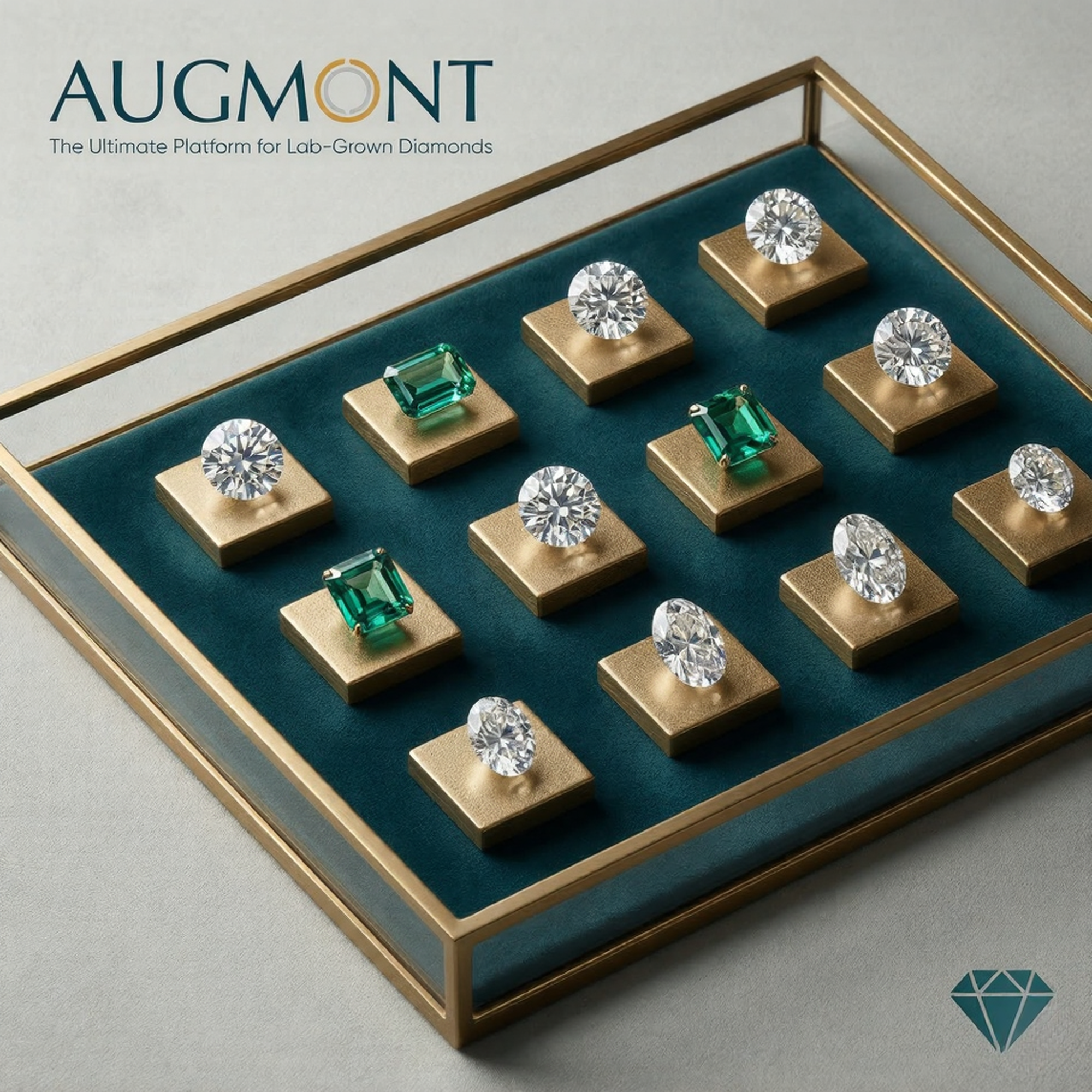
The jewelry industry is undergoing a noticeable transformation as consumer preferences evolve toward transparency, sustainability, and value-driven purchases. In recent years, lab-grown diamonds have emerged as one of the fastest-growing segments in the global jewelry market. Once considered a niche alternative, they are now widely accepted by modern consumers seeking quality, innovation, and affordability. For jewelry retailers, this shift presents an opportunity to expand their offerings and stay aligned with changing customer expectations.
This blog explores the business case for adding lab-grown diamonds to your jewelry portfolio. It looks at how the category can help retailers attract new customers, diversify their product range, and strengthen their competitive positioning in a rapidly evolving market.
Expanding Market Demand
Demand for lab-grown diamonds is steadily increasing, particularly among millennials and Gen Z consumers who prioritize value and sustainability. These diamonds have the same physical and chemical properties as mined diamonds but are often available at more accessible price points. As awareness grows, lab-grown diamonds are becoming popular across engagement rings, fashion jewelry, and everyday luxury pieces. Retailers who include them in their collections can tap into this expanding demand while appealing to a new generation of buyers.
Key Business Advantages
- Higher margins due to competitive sourcing and pricing flexibility
Lab-grown diamonds typically provide retailers with better pricing flexibility compared to mined diamonds. Their relatively lower production costs allow businesses to offer competitive prices while maintaining attractive margins. . - Ability to attract younger and digitally savvy customers
Lab-grown diamonds appeal strongly to millennials and Gen Z consumers who often research extensively before making a purchase. Offering this category can help retailers engage with these digitally connected audiences. - Expansion into new product categories and price segments
Lab-grown diamonds make it easier for retailers to create collections across a wider range of price points. Businesses can design products that cater to entry-level buyers while also offering larger or more intricate pieces at accessible prices. - Stronger positioning in the sustainability and innovation narrative
Sustainability is becoming a key factor in consumer decision-making. Lab-grown diamonds are often viewed as a modern and responsible choice, aligning with the values of environmentally conscious buyers. - Greater inventory flexibility compared to mined diamonds
Lab-grown diamonds can offer more predictable supply and availability. Retailers can access a broader range of sizes and qualities without the same sourcing challenges associated with mined stones. This helps businesses manage inventory more efficiently and respond quickly to customer demand.
Final Thoughts
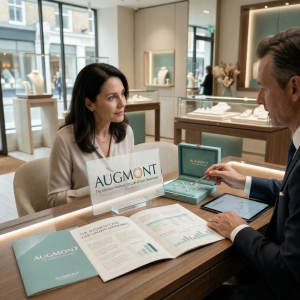
The growing acceptance of lab-grown diamonds reflects a broader shift in the jewelry industry. For retailers, incorporating this category is not simply about following a trend but about responding to evolving consumer expectations. By adding lab-grown diamonds to their portfolio, jewelry businesses can unlock new growth opportunities while offering customers greater choice, innovation, and value.